
The Future of UK Horse Racing: What to Expect When it’s Not On
The world of UK horse racing has long been a cherished domain for sports enthusiasts and bettors alike. However, the recent developments surrounding the notion of UK horse racing not being on has raised several concerns. The implications of this can be vast and varied, extending far beyond the racetracks. The significance of this scenario compels us to delve deeper into its potential impacts, particularly for those engaged in UK horse racing not on GamStop horse racing betting not on GamStop. In this article, we will explore the reasons behind these unprecedented circumstances, the impacts on the sport, the betting industry, and what the future may hold. From racing cancellations to betting adjustments, we will traverse the landscape of UK horse racing during these challenging times.
The Current State of UK Horse Racing
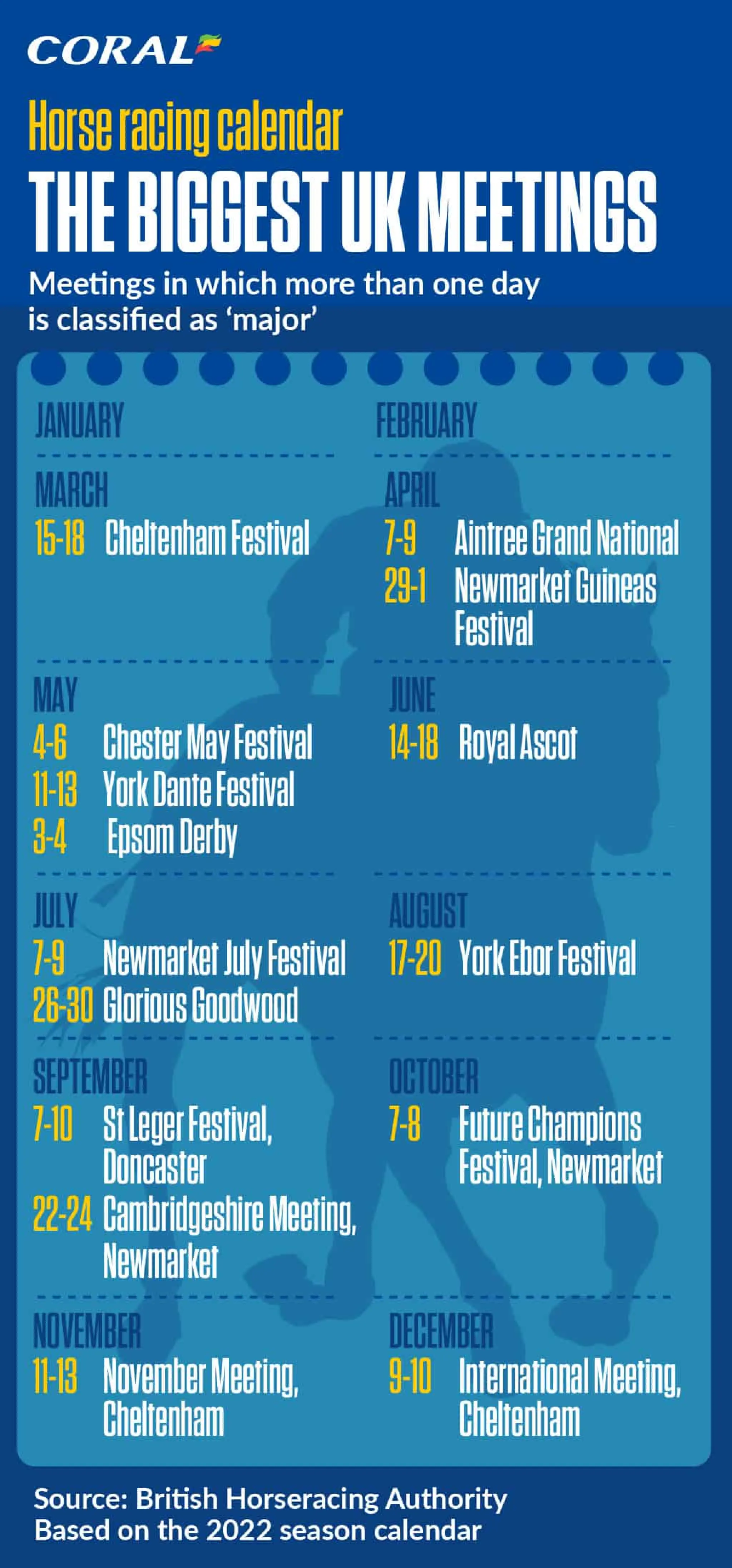
Horse racing has been an integral part of British culture for centuries, with iconic events like the Grand National, Royal Ascot, and Epsom Derby capturing the hearts of millions. However, in recent years, especially since the onset of the global pandemic, the racing calendar has faced significant disruptions. Whether due to health concerns, logistical challenges, or regulatory measures, instances of racing not occurring have become more frequent. As a result, fans and bettors have been left wondering how to navigate this new reality.
The Reasons Behind the Disruptions
The reasons for UK horse racing not being on are multifaceted. First and foremost, the COVID-19 pandemic has had lingering effects on the sporting world. Even as restrictions have eased, the sport has had to adapt to new health protocols, affecting scheduling and attendance. Moreover, financial pressures on racing boards and venues can make maintaining a racing schedule more challenging, leading to cancellations or postponements.
In addition to the pandemic’s impact, other issues such as animal welfare concerns, legislative changes, and external events like economic downturns or extreme weather conditions can contribute to racing not being held as expected. Consequently, these factors collectively influence when and how races take place, creating uncertainty for all stakeholders involved.
The Impact on Fans and Gamblers
For fans of the sport, the cessation of races represents not just the loss of a pastime, but a significant cultural void. Many enthusiasts follow horses, jockeys, and trainers religiously, and without access to live events, these connections may weaken. The social aspect of attending races has also diminished, affecting the community-centric feel of the sport.
For bettors, the implications can be even more pronounced. Betting on horse racing forms a major part of the gambling industry. For many, it is not merely a financial venture but part of the thrill and excitement associated with the races. The lack of races leads to fewer betting opportunities, changing the dynamics of the gambling landscape. Bettors must now seek alternative events or sports to fill the void left by the absence of horse racing.
The Betting Landscape During Uncertainty
With UK horse racing not being on, bookmakers and betting platforms have been compelled to adapt. This includes diversifying their offerings by featuring other sports or entertainment events. In addition to traditional sports betting, platforms are also introducing virtual horse racing and other simulated events to engage bettors. However, these alternatives can lack the authenticity and excitement associated with live racing.
Moreover, bettors must navigate the complexities of responsible gambling, especially with international platforms. The introduction of measures such as GamStop has prompted a shift toward alternative yet safe betting options. For bettors looking for alternatives during these times, options such as horse racing betting not on GamStop have emerged, providing various ways to continue engaging with their passion, even when racing events are limited.
The Future of Horse Racing in the UK
As horse racing continues to grapple with uncertainties, the future will depend on how well the sport can adapt. Industry leaders are already contemplating various strategies to reinvigorate horse racing in the UK and ensure that it remains resilient to external challenges. This could include increased focus on digital engagement and virtual experiences, improved health protocols, and enhanced transparency regarding horse welfare.
Moreover, collaborations between racing authorities and betting platforms could result in innovative solutions to keep fans engaged. These partnerships might foster the development of new betting markets or events, thereby revitalizing interest in the sport. Public engagement campaigns might also be initiated to educate new audiences about the thrill of racing and the betting experience.
Conclusion
The notion of UK horse racing not being on poses significant questions and challenges for the sport, its fans, and the betting industry. As we navigate this landscape, it is essential for stakeholders to consider adaptive strategies to overcome these hurdles and ensure the longevity of a beloved tradition. With continual evolution and innovation, the hope remains that horse racing will return to its vibrant state, captivating fans and bettors alike. The journey ahead is not merely about racing; it is about preserving a rich cultural heritage while simultaneously adapting to the demands of the modern era.